
Entrusting Your Beauty Transformation to No Less Than a Specialist
For centuries, beauty has been linked to attractiveness and facial symmetry, with people perceived as “beautiful” often thought to be kinder and more capable. While these beliefs persist, modern society also connects beauty with health, vitality, and self-care.
Research shows that people who feel confident in their appearance often experience greater self-esteem, wider professional opportunities, and a better quality of life. These aspirations are particularly important in image-aware cities such as Liverpool and Chester, where health-conscious locals turn to dermatologist-led cosmetic services to look and feel their best.
But why should you rely on a consultant dermatologist rather than non-medical practitioners for aesthetic treatments? What procedures does a cosmetic dermatology clinic typically offer? Is skin care from an aesthetic medicine specialist truly worth it compared with a non-medical provider?
High-quality cosmetic care focuses on delivering safe, scientifically proven aesthetic procedures, helping you achieve long-lasting results worry-free. Read on to find out more about these procedures.

Hydradermabrasion for Skin Rejuvenation
What Treatment Options Does a Medical Aesthetics Clinic Offer?
A dermatologist-led cosmetic clinic provides both non-surgical and surgical procedures, all backed by extensive research. The list below highlights the most commonly requested procedures in these clinics.
Microdermabrasion
Microdermabrasion is a gentle cosmetic treatment that uses a diamond-tipped wand or fine crystal spray to slough dead skin cells and slightly stimulate skin renewal. It’s commonly used for surface-level conditions like skin dullness, superficial acne scars, roughness, and pore enlargement. Hydrodermabrasion is a gentler variant that combines exfoliation with hydration, making it more comfortable for sensitive or dry skin.
Most patients benefit from 4–6 weekly sessions. Compared with more intensive cosmetic treatments, microdermabrasion and hydrodermabrasion are less invasive and need minimal downtime, though results are subtler and require frequent repeat sessions. Additionally, these methods cannot fully address deeper wrinkles, scars, or pigmentation problems.
Microneedling
Microneedling is an aesthetic procedure that uses fine needles to stimulate natural collagen production and firming, resulting in gradual skin tightening and improved elasticity. Compared to microdermabrasion, microneedling can address a wider variety of skin issues, including fine and coarse wrinkles, mild-to-moderate acne scarring, and stretch marks.
The intensive phase usually involves 4–6 sessions spaced 2–4 weeks apart. Maintenance sessions are scheduled twice a year or as advised. Compared with more aggressive cosmetic procedures, microneedling allows quick recovery, though improvements may take time to become noticeable.
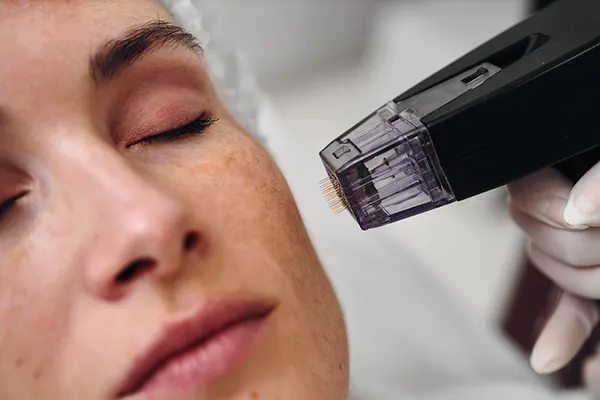
Microneedling for Uneven Pigmentation
Traditional microneedling uses manual or motorized needles. Radiofrequency microneedling adds gentle heat for deeper stimulation and enhanced effects.
Chemical Peels
Chemical peeling is a time-tested skin treatment that uses carefully selected acids to remove damaged surface skin and stimulate renewal. The procedures vary in depth.
Superficial peels are commonly used for blackheads, whiteheads, uneven tone, and early wrinkle concerns. Medium-depth peels target more significant pigmentation issues, including some flat moles, and improve skin texture and clarity. Deep peels address more pronounced wrinkles and scars but require longer recovery.
Compared with less intensive methods like microdermabrasion, superficial and medium-depth chemical peels deliver more noticeable results. Deep peels offer outcomes closer to those achieved by more aggressive treatments, such as dermabrasion and advanced laser skin rejuvenation, which reach deeper layers.
The biggest upside of chemical peels is their flexibility. Meanwhile, their main limitation is their downtime, which increases with peel depth.
Dermal Filler Injection
Dermal fillers are substances injected into the deeper skin layers to restore volume, smooth wrinkles, and enhance facial contours. Different kinds exist, with hyaluronic acid fillers being the most popular due to their safety, versatility, and suitability for every skin type.
Hyaluronic acid fillers provide a temporary plumping effect, typically lasting 6–18 months, depending on the product and site treated, so repeat sessions are usually needed to maintain the desired volume. Other options, like poly-L-lactic acid, offer longer-lasting improvements but are used only in individuals with unique skin health needs.
Dermal fillers benefit many patients, including those with age-related skin volume loss or certain medical conditions. At Specialist Skin Centre, Dr Thiru will recommend the right filler for your skin and goals.
Platelet-Rich Plasma Therapy
Platelet-rich plasma (PRP) treatment uses a small amount of your blood, which is processed to concentrate platelets—blood cells that promote clotting and natural tissue repair. The plasma, the liquid portion of blood, can be injected or applied to targeted areas to support skin health, hair growth, and the correction of various skin problems, including acne scars and wrinkles.

Platelet-Rich Plasma Treatment for Acne Scars
Most patients benefit from 2–6 sessions spaced 2–4 weeks apart, with maintenance sessions scheduled as advised. This aesthetic treatment beats alternatives by using only your blood, keeping side effect risks low, and downtime short. However, results can take a few weeks to appear.
PRP therapy is a superb choice when it’s beneficial to blend skin treatments to enhance cosmetic outcomes. For example, PRP can boost the effectiveness of microneedling in rejuvenating the skin.
Botulinum Toxin Injection
Botulinum toxin products, commonly known by brand names like Botox®, are injected into the skin to relax targeted facial muscles, smoothing creases caused by facial expressions. The procedure is commonly used to correct forehead lines, frown lines, crow’s feet, droopy eyebrows, and gummy smiles.
By temporarily blocking nerve signals, the muscles weaken to smooth the overlying skin. Effects generally last 3–4 months, depending on the formulation, though repeat treatments over time can extend results up to 5 months. Patients report greater satisfaction with Botox treatment for lines caused by facial expressions largely because it requires little to no recovery time, unlike lasers or surgery, though it needs follow-on doses every few months.
Dermabrasion
Dermabrasion is a form of skin surgery that uses a motorized rotating brush or burr to remove deeper layers of skin, offering more intensive resurfacing than microdermabrasion. It’s commonly used for acne scar treatment and the correction of deeper-seated skin concerns brought about by sun damage and natural aging.
Sessions may be spaced at least 4–6 weeks apart if repeat treatments are needed. Compared with microdermabrasion, dermabrasion provides more dramatic and longer-lasting results, though recovery takes more time, and temporary redness or swelling is common. While less aggressive than laser therapy, careful aftercare is essential to maintain optimal outcomes.
Laser Treatment
Laser therapy makes use of high-energy light beams to target specific parts of the skin, stimulating repair and improving appearance. Different types of lasers allow dermatologists to customise the procedure for each skin condition and skin type.
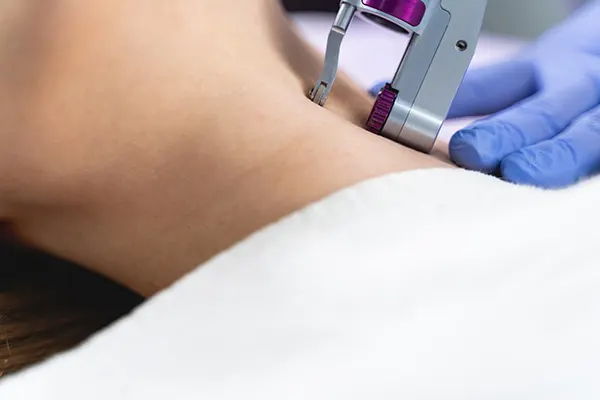
Laser Treatment for Skin Tags
This versatile treatment can address a vast range of skin issues. It may be used for skin tag and benign (non-cancerous) mole removal, improvement of sun-damaged skin, tattoo clearing, skin rejuvenation, and reduction of unwanted pigmentation.
Lasers may likewise be employed for acne treatment, as they can reduce excess oil production, target pimple-causing bacteria, and soothe inflammation within clogged pores. Laser hair removal damages hair follicles to slow or prevent unwanted hair growth.
Laser therapy offers superior cosmetic outcomes compared to other treatment options because it acts only on targeted tissues, sparing surrounding skin. However, laser procedures can be more costly, reflecting the advanced technology and customised care involved. Repeat sessions may be required, depending on the skin issue, laser type, and desired results.
At Specialist Skin Centre, all treatments are performed by consultant dermatologist Dr Thiru. His expertise produces consistently high-quality results that prioritise both appearance and skin health.
Why Is Dermatologist-Led Skin Care a Better Choice Than Treatments from a Beauty Clinic?
Achieving lasting results means prioritising your overall well-being, not just looks. Below, we explore how medical expertise supports both skin health improvement and long-term cosmetic outcomes.
Tailored Treatment for Every Skin Concern
Patients don’t always know what’s happening with their skin. On the other hand, a consultant dermatologist is extensively trained to recognise any skin lesion that may be mistaken for a harmless blemish, including early skin cancer. Besides aesthetic medicine, they can perform skin cancer screening for suspicious spots. A single mole check may be all it takes to spare you a world of trouble.
Guaranteed Optimal Cosmetic Results
Consultant dermatologists have in-depth knowledge of skin structure and function, including how skin responds to different treatments. This expertise allows them to tailor your treatment plan to your needs, target the correct parts of your skin, minimise unwanted reactions, and achieve better, more natural-looking cosmetic effects.
Adherence to the Highest Safety Standards
Aesthetic treatments carry real medical risks when safety standards are not followed. For instance, mistargeted dermal filler injections can enter a facial blood vessel, causing skin sores, vision loss, or stroke‑like symptoms. Improper laser use can create burns, scars, or permanent skin colour changes. Botulinum toxin injected incorrectly may lead to drooping features, speech or swallowing difficulties, or, in rare cases, life-threatening complications.
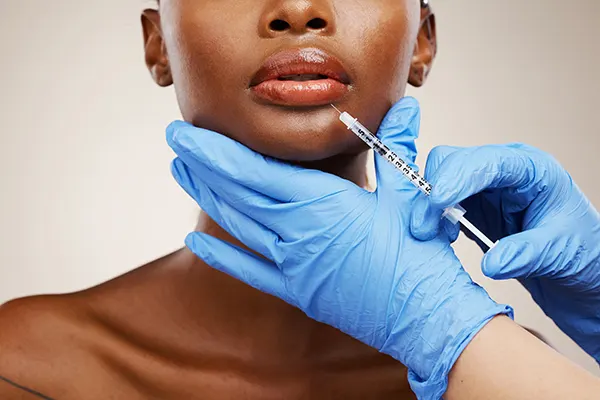
Laser Treatment for Skin Tags
Unqualified providers may employ poor technique, treat the wrong areas, and misuse cosmetic products, risking microbial contamination or reduced efficacy. Additionally, they’re not trained to anticipate or manage side effects, including serious or life-threatening reactions.
In contrast, consultant dermatologists are skilled in using proper technique, keeping procedures safe and infection-free, and handling cosmetic products appropriately. Your health is too important to trust anyone but a specialist.
Legal and Professional Protection for Patients
Consultant dermatologists are board-certified, meaning they meet strict minimum qualifications to practise responsibly. Patients also provide informed consent before any procedure, confirming they understand the treatment, the expected outcomes, and any scientifically supported risks or benefits.
This legal framework ensures patients receive care from qualified professionals and have recourse if complications arise. It also provides peace of mind, as treatments are reliable, safe, and professionally administered.
Greater Satisfaction
Studies show that formal education in aesthetic medicine is linked to better outcomes. When you see a consultant dermatologist for your cosmetic treatments, you can expect a skilled approach that achieves the look you want.
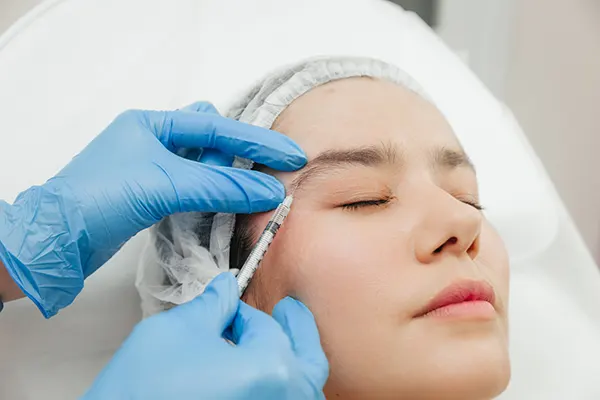
Botox Brow Lift for Hooded Eyes
Recap: Safe and Effective Cosmetic Dermatology Care in Liverpool and Chester
Cosmetic medicine is growing rapidly across Northwest England, with treatment centres offering excellent aesthetic dermatology services at competitive prices. But popularity alone isn’t a reason to rush into just any skin clinic. You want a highly skilled provider, delivering excellent results while keeping your safety a major priority.
A highly trained consultant dermatologist ensures you get effective and safe cosmetic care. With a true specialist by your side, you can be confident that every pound spent is used wisely.
Frequently Asked Questions
Here are some frequently asked questions about aesthetic treatments:
Looking for deeper answers about aesthetic treatments, results, and aftercare? Our patient questions section covers everything in one place.